Hipsy: Injecting Vibrant Energy into Modern Typography
In the world of digital design, finding a premium font that balances personality with functionality can feel like searching for a needle in a haystack. You often have to choose between a script font that looks elegant but is hard to read, or a sans serif font that is legible but feels cold. Enter Hipsy, a versatile OpenType SVG font that bridges this gap beautifully. It is not just another typeface; it is a design asset built to make your projects pop. Whether you are working on logo design, creating social media graphics, or curating a brand identity, Hipsy offers a unique aesthetic that captures attention immediately.
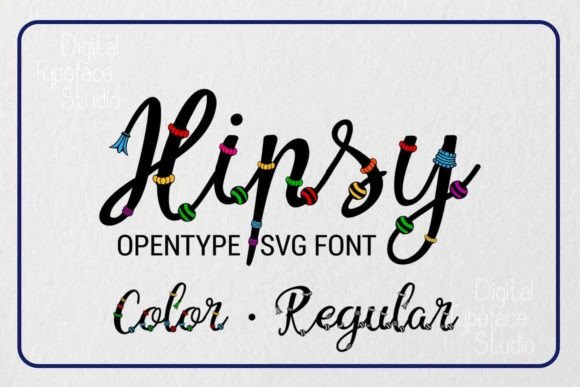
What makes Hipsy stand out in a crowded marketplace of creative fonts is its dual nature. It arrives in two distinct styles: Regular and Color. The Regular style offers a solid, monochromatic look that works well for clean layouts, while the Color style utilizes SVG technology to embed rich textures and gradients directly into the font file. This means you can achieve a hand-painted, vibrant look without needing complex layering or additional graphic design skills. It is a modern typography solution that feels fresh, youthful, and undeniably "hip."
The Two Personalities of Hipsy: Regular vs. Color
Understanding the difference between the two included styles is key to unlocking the full potential of this display font. The Hipsy Regular style functions much like a traditional handwritten font, but with a sharper, more contemporary edge. It is perfect for situations where you need high contrast against busy backgrounds or when you want to apply custom colors easily through your design software. This style maintains the fluidity of a script font but with the stability required for professional headers and titling.
However, the true showstopper is the Hipsy Color style. By leveraging OpenType SVG technology, this style renders high-resolution color and texture within the letters themselves. It mimics the look of real brush strokes or marker pens, offering a tactile quality that standard vector fonts cannot replicate. This is particularly useful for packaging design and editorial design, where you want to evoke a sense of handcraft and authenticity. When you use the Color style, your typography becomes an illustration in its own right, adding depth and visual interest to any web design or print layout.
Practical Applications: Where Hipsy Shines
As a designer or business owner, you need tools that solve real problems. Hipsy is incredibly effective for projects that require a strong, immediate emotional connection. Because it is a display font, it is best suited for headlines, logos, and call-to-action buttons rather than long-form body text. Here are a few practical ways to integrate Hipsy into your workflow:
- Brand Identity and Logo Design: If your brand targets a younger demographic (20–50) or wants to convey creativity and fun, Hipsy is an excellent choice. It helps brands stand out by moving away from the sterile look of corporate sans serif fonts.
- Social Media Graphics: Platforms like Instagram and TikTok are visual battlegrounds. Using the Hipsy Color style for story headers or post titles ensures your content grabs attention while scrolling. The vibrant look mimics popular sticker trends, making your content feel native to the platform.
- Web Design Elements: While you wouldn't use it for your main menu, Hipsy works wonders for hero section titles or promotional banners. It adds a layer of personality that standard web-safe fonts lack.
- Print and Packaging: For packaging design, especially in the food, beauty, or lifestyle sectors, the textured look of Hipsy suggests quality and artisanal care. It translates well to physical products, offering a tactile feel that resonates with consumers.
Strategic Considerations for Using a Creative Font
Integrating a bold font like Hipsy requires a strategic approach to maintain professionalism and readability. One of the most common mistakes with creative fonts is overuse. If every line of text is shouting at the reader, the design becomes overwhelming. Instead, use Hipsy for hierarchy. Let it be the star of your headline, but pair it with a clean, neutral serif font or sans serif font for body copy. This contrast creates a balanced visual hierarchy that guides the reader's eye naturally from the exciting title to the informative text below.
When testing font pairings, look for typefaces that share similar x-heights but vastly different structures. For example, a geometric sans serif pairs beautifully with Hipsy because the clean lines of the sans serif allow the organic shapes of Hipsy to breathe. This technique is essential for editorial design and blogs where readability is just as important as aesthetics.
Licensing and Technical Confidence
When investing in a commercial font, licensing is a critical factor. Hipsy is designed for both personal and commercial use, allowing you to confidently use it in client work, merchandise, and digital products. Because it is an OpenType SVG file, you should verify that your specific design software supports this format. Most modern versions of Adobe Photoshop, Illustrator, and InDesign handle SVG fonts flawlessly. However, always test the font in your specific environment before committing to a final design layout.
Furthermore, consider the technical aspect of web design. While SVG fonts are fantastic for static images and graphics, they can be heavy for live website text. For your live site, it is often better to use Hipsy for images and graphics, while using a lighter, standard web font for the actual code-rendered text. This ensures your site loads quickly while still maintaining the visual style you desire.
Ultimately, Hipsy is more than just a typeface; it is a versatile design asset that adapts to the changing demands of modern content creation. Whether you are a small business owner refreshing your look or a content creator seeking to boost engagement, this font provides the visual flair needed to make your work memorable. By combining the classic appeal of a handwritten font with the technological advantages of SVG, Hipsy secures its place as a valuable tool in any designer's toolkit.